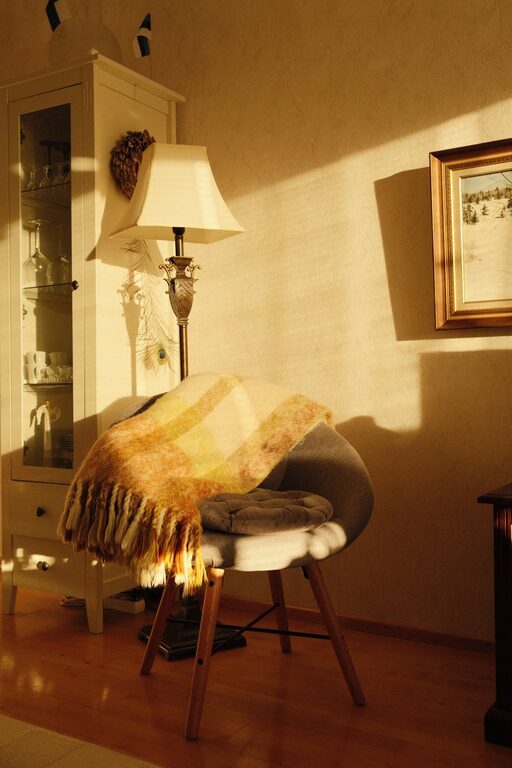
Creating a cozy reading nook at home is a wonderful way to carve out a personal space dedicated to relaxation, inspiration, and quiet enjoyment. Whether you live in a spacious apartment or a small flat, even a tiny corner can transform into a welcoming retreat with the right approach. In this guide, we’ll explore practical tips and ideas to help you craft the perfect reading nook tailored to your style and needs.
Why Create a Reading Nook?
Reading nooks offer more than just a spot to hold your books. They provide a peaceful sanctuary for decompressing after a busy day, stimulating your imagination, or simply slowing down. A dedicated nook encourages healthier reading habits and supports mindfulness by setting apart a specific place for focused attention.
Choosing the Ideal Spot
Before getting creative, choose the best location for your reading nook.
Consider natural light
A nook near a window is ideal because natural daylight is perfect for reading. It reduces eye strain and creates an inviting ambience. If sunlight is limited, you can enhance the space with warm artificial lighting.
Assess space availability
Look for underused corners, a cozy alcove, or even a small section of your living room or bedroom. The space doesn’t need to be large; even a single comfortable chair with a side table can work well.
Think about noise levels
To maximise comfort, try to select a quieter part of your home where you won’t be disturbed by household noise or street sounds.
Furnishing Your Nook
Once your location is set, choose furniture and accessories that emphasise comfort and style.
Comfortable seating
Opt for a chair, armchair, chaise lounge, or even a window seat with plush cushions. If space is tight, a large floor cushion or bean bag can provide a relaxed seating option.
Add soft textiles
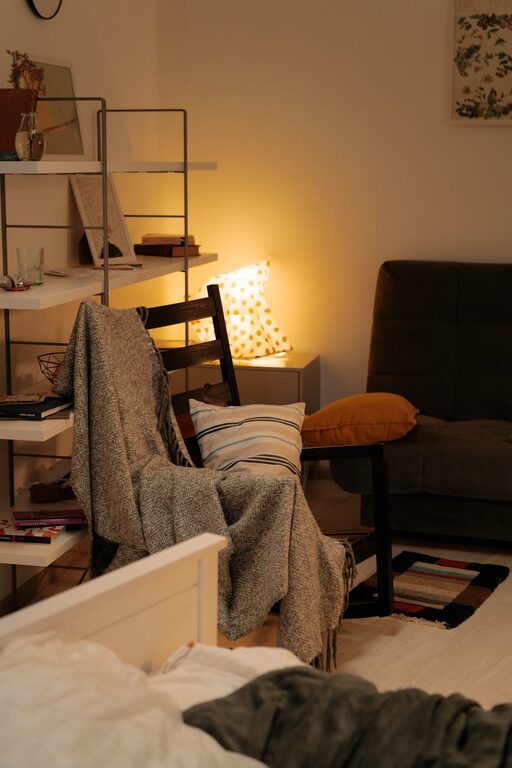
Layering your nook with throws, blankets, and pillows ensures warmth and softness. Choose different textures like knitted, velvet, or fleece for extra cosy vibes.
Functional furniture
Consider a small side table or bookshelf nearby to hold your books, a cup of tea, or reading glasses. Compact storage options help keep your nook tidy and organised.
Lighting – The Key to a Great Reading Experience
Proper lighting is crucial for a comfortable nook.
Task lighting
A good reading lamp with adjustable brightness positioned beside your chair will protect your eyes. Look for warm white bulbs that simulate natural light.
Ambient lighting
Soft background lighting, like fairy lights or candles (real or battery-operated), adds to the cosy atmosphere during evenings.
Personalising Your Space
Your reading nook should reflect your personality and preferences.
Display favourite books
Organise your most-loved titles within easy reach. You can use small shelves, baskets, or artistic bookends.
Incorporate art and decor
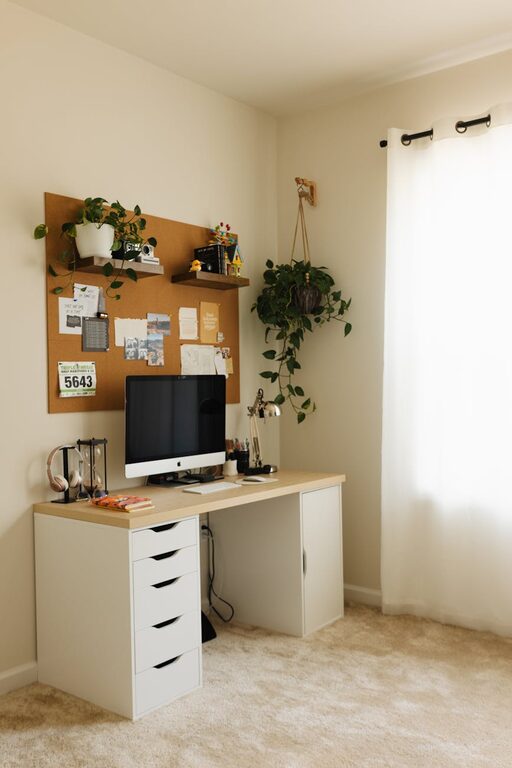
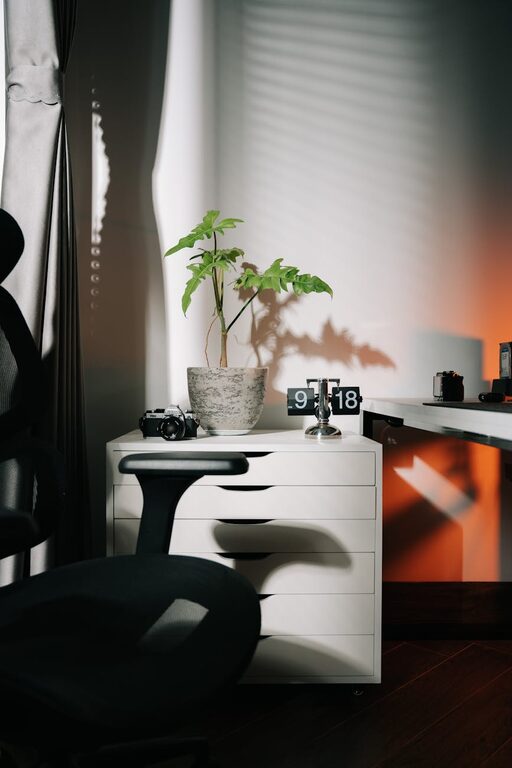
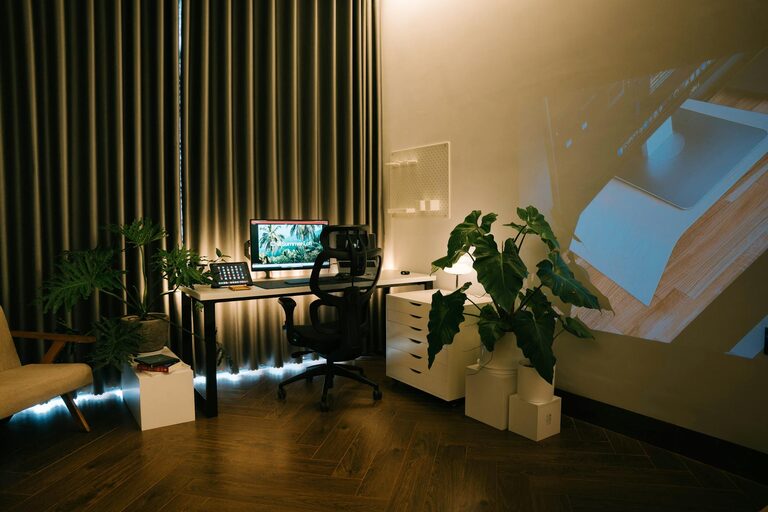
Add personal touches such as framed prints, plants, or scented candles. Indoor greenery freshens the air and adds colour.
Use calming colours
Choose a colour palette that soothes you. Earth tones, soft blues, and gentle greens typically encourage relaxation.
Keeping Your Nook Inviting
Maintenance and atmosphere play a role in how often you use your nook.
Declutter regularly
Keep the space clutter-free for a peaceful experience. Use baskets or bins to store magazines and other items neatly.
Rotate books and accessories
Update your selection and decor from time to time to keep the nook feeling fresh and inspiring.
Additional Comfort Tips
– Place a small rug underfoot to add warmth and texture.
– Keep a cozy footrest or ottoman nearby.
– Have a small tray or coaster for drinks and snacks.
– Use headphones or a white noise machine if you prefer audio books or want to block distractions.
Conclusion
Designing a cosy reading nook at home is a rewarding project that can enhance your daily routine and wellbeing. By carefully selecting the right spot, furnishings, lighting, and personal touches, you’ll create a special place where you can unwind, learn, and dream through your favourite books. Start small, be creative, and most importantly, make it your own! Happy reading!
About the Author