Setting up a home office that is both cozy and productive can greatly enhance your work-from-home experience. Whether you’re freelancing, managing remote meetings, or simply need a dedicated spot for focused tasks, the right environment plays a key role in your efficiency and well-being. This guide shares practical tips to help you design a home office space that feels inviting and supports your productivity.
Why a Cozy Home Office Matters
Working from home offers flexibility but can bring challenges, especially when distractions are plenty or the workspace is uninspiring. A cozy environment:
– Reduces stress
– Encourages focus
– Improves mood
– Boosts motivation
When you feel comfortable in your workspace, work becomes less tiring and more enjoyable.
Choosing the Right Location
Find a Quiet, Dedicated Area
Select a spot in your home that is away from household noise and interruptions. A spare room is ideal, but even a quiet corner of a living room or bedroom can work.
Consider Natural Light
Natural light not only brightens up your space but also helps regulate your body clock and improve mood. Place your desk near a window if possible. If natural light is limited, invest in good-quality lighting that mimics daylight.
Ergonomic Furniture: Comfort Meets Health
Select a Supportive Chair
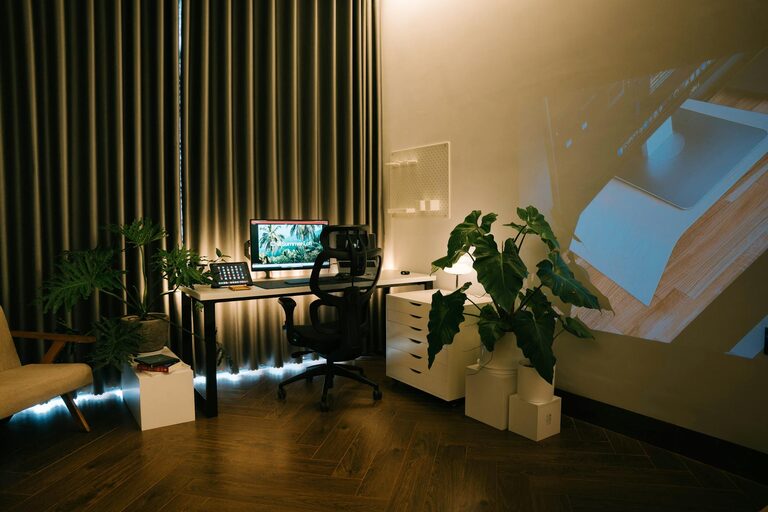
A comfortable chair with adjustable height, lumbar support, and cushioning prevents back pain and maintains good posture. Since you’ll spend hours sitting, this is a worthwhile investment.
Use a Spacious Desk
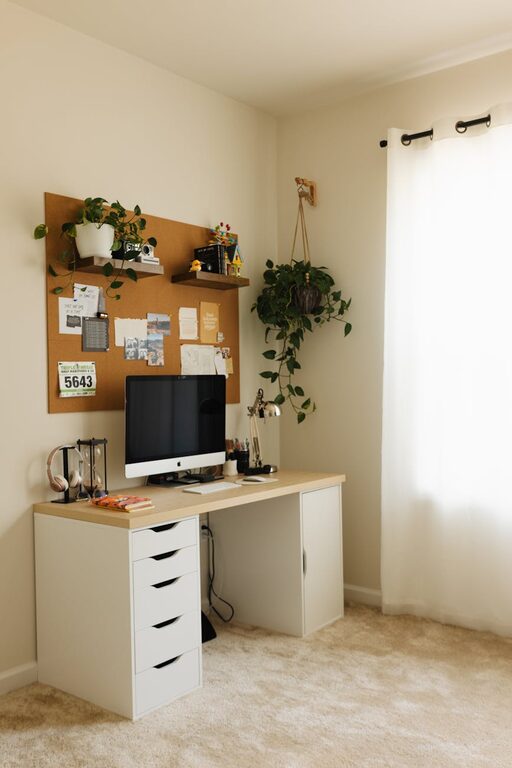
Choose a desk that accommodates your computer, notebooks, and other essentials without feeling cramped. Adjustable desks that allow standing options can add variety to your day.
Arrange Equipment Thoughtfully
Position your computer monitor at eye level and about an arm’s length away to reduce neck strain. Keep frequently used items within easy reach.
Add Cozy and Personal Touches
Soft Textiles
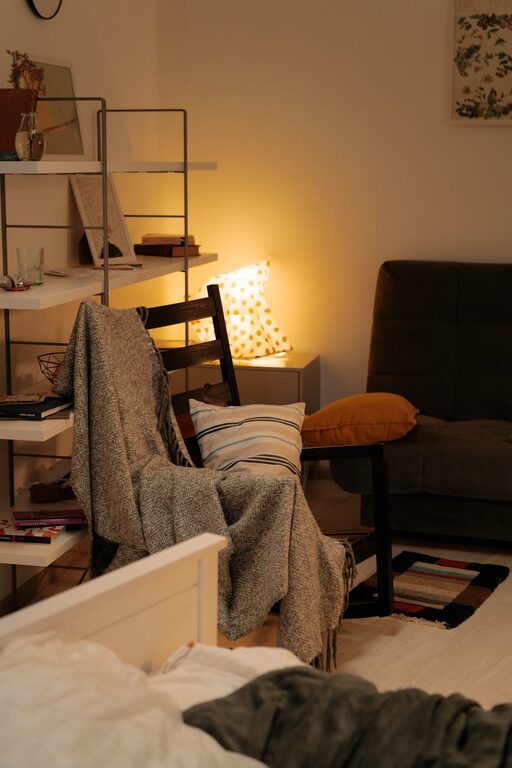
Incorporate cushions, throws, or a small rug to create warmth and comfort. These textures can also help deaden sound, improving acoustics.
Greenery and Plants
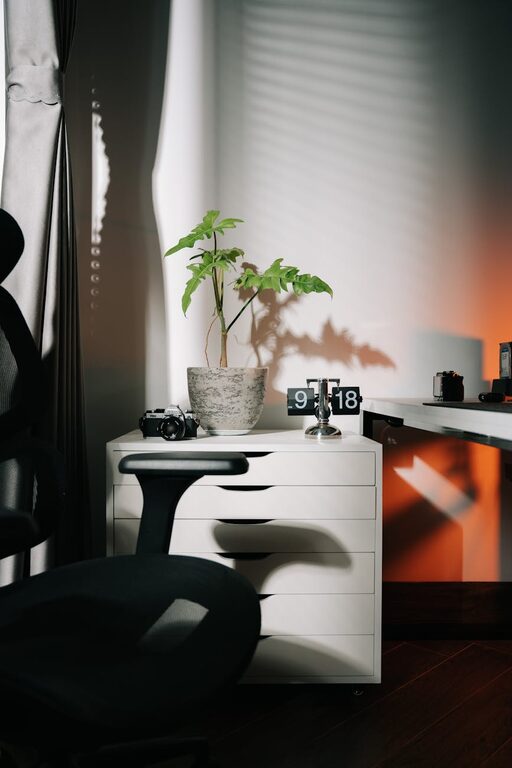
Plants bring life to your office and can improve air quality. Choose low-maintenance varieties such as succulents, snake plants, or pothos.
Inspirational Decor
Add artwork, motivational quotes, or photos that uplift you but don’t distract. Personal items help make the space your own and enhance comfort.
Organize for Efficiency
Declutter Regularly
Keep your desk tidy by clearing away unnecessary items daily. Use cable organizers to manage wires and prevent tangling.
Storage Solutions
Utilize shelves, drawers, or containers to keep supplies and documents organized. Labeling boxes or files can make finding things easier.
Digital Organization
Maintain your computer desktop clean and create folders for different projects. Use tools like calendars or task managers to keep track of deadlines.
Manage Noise and Distractions
If your home is noisy, consider noise-cancelling headphones or soft background music designed for concentration. Setting clear boundaries with family members or roommates during work hours also helps minimise interruptions.
Encourage Healthy Habits
Take Breaks
Incorporate short breaks to move, stretch, or rest your eyes. Following the 20-20-20 rule—look at something 20 feet away for 20 seconds every 20 minutes—can reduce eye strain.
Maintain Work-Life Separation
Start and end your workday at consistent times. When done, physically leave your office to signal the end of work, helping you relax.
Conclusion
Creating a cozy and productive home office is about balancing comfort with functional design. By choosing the right location, investing in ergonomic furniture, adding personal touches, staying organized, and managing distractions, you set yourself up for success. Your workspace should inspire focus and creativity while also nurturing your well-being. With these tips, you can transform any corner of your home into an enjoyable and effective place to work.
About the Author