Creating a home office that is both cozy and productive can significantly improve your work-from-home experience. Whether you’re freelancing, managing a business, or just need a dedicated spot for occasional tasks, having a space that feels inviting and supports focus makes all the difference. Here are some helpful tips to design a home office environment that works for you.
Choose the Right Location
Find a Quiet Spot
Your office should be placed in a quiet area, away from distractions like TV noise or household traffic. If space is limited, consider using room dividers or noise-cancelling headphones to create a focused atmosphere.
Maximise Natural Light
If possible, set up your desk near a window. Natural light can boost mood and productivity, and reduce eye strain. However, avoid placing your screen where glare might be an issue—using blinds or curtains can help control brightness.
Invest in Ergonomic Furniture
Supportive Chair
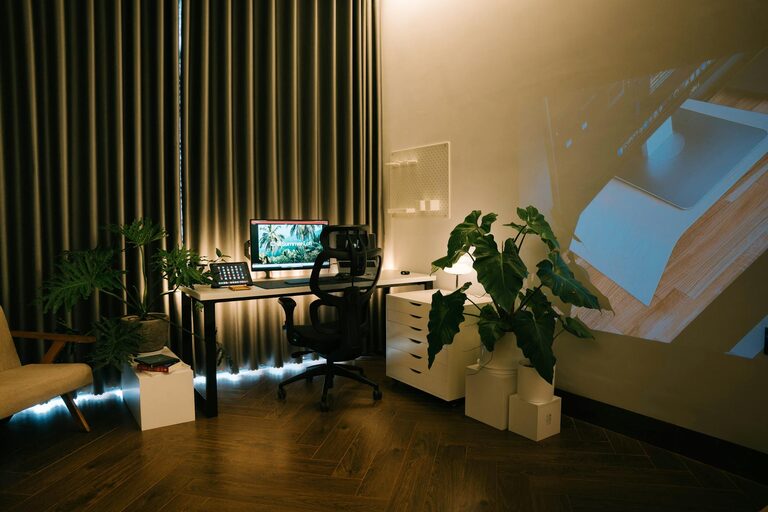
An ergonomic chair is essential to maintain good posture and avoid discomfort during long hours of work. Look for adjustable features such as seat height, lumbar support, and armrests.
Functional Desk
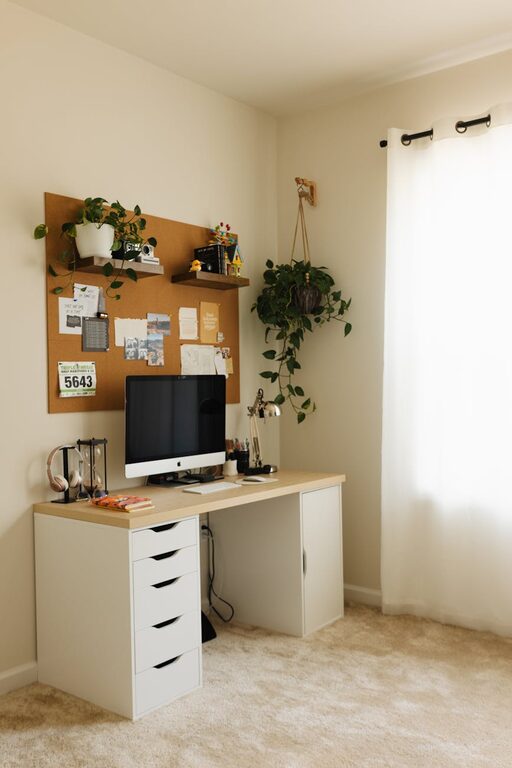
Choose a desk with enough surface area for your computer, documents, and other tools. Consider a sit-stand desk if you want to alternate between sitting and standing throughout the day.
Create an Organised Workspace
Declutter Regularly
Keep your desk tidy by storing items you don’t use daily in drawers or shelves. Clutter can increase stress and reduce productivity.
Use Practical Organisers
Desk organisers, filing trays, and cable management tools help keep everything in its place and make your workflow smoother.
Personalise Your Space
Add Comfort with Textiles
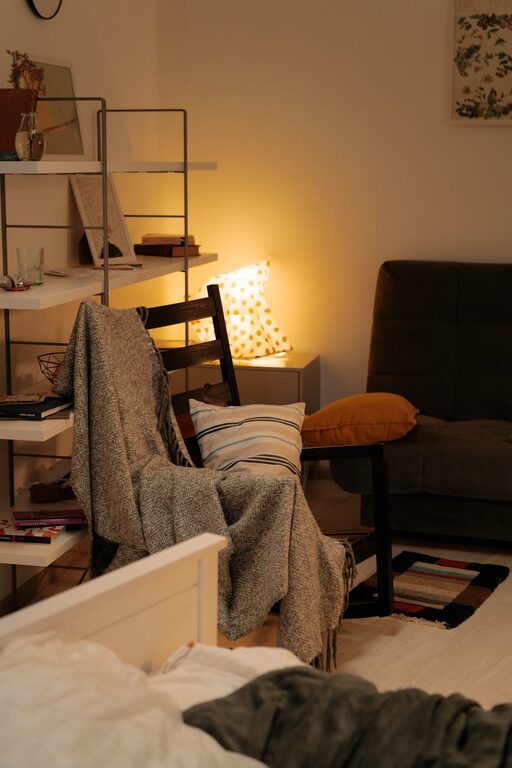
A soft rug, cozy throw blanket, or some cushions can make your office more inviting and comfortable.
Bring in Plants
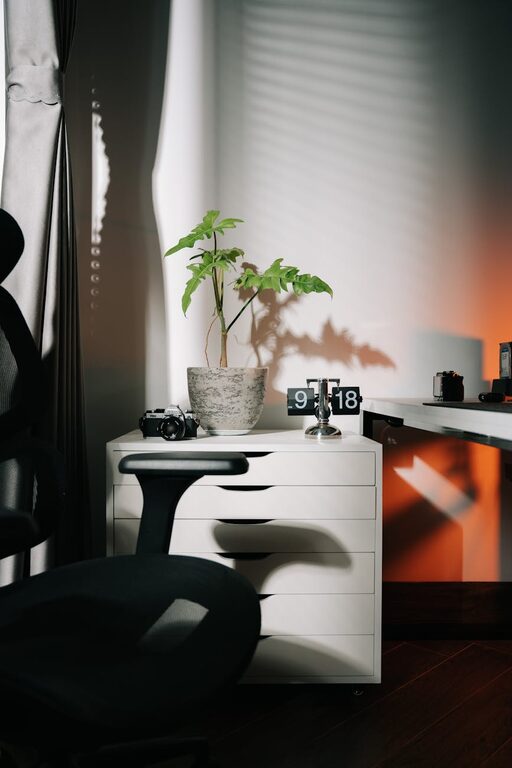
Indoor plants improve air quality and add a touch of nature. They also help create a calming atmosphere.
Display Inspiring Decor
Artwork, motivational quotes, or personal photos can make the space feel unique and encouraging.
Optimise Lighting
Layer Your Lighting
Good lighting combines ambient, task, and accent lighting. A desk lamp with adjustable brightness helps reduce eye strain during focused work.
Avoid Harsh Overhead Lights
Bright ceiling lights can cause fatigue. Use warm-toned bulbs or indirect lighting options when possible.
Maintain a Comfortable Temperature
Working in a room that is too cold or too warm can reduce your ability to concentrate. Adjust heating or cooling devices to keep a steady, comfortable temperature around 20–22°C (68–72°F).
Limit Digital Distractions
Keep Your Phone Away
Consider placing your smartphone in another room or using “Do Not Disturb” modes during work hours.
Use Productivity Apps
Tools like website blockers and time management apps can help you stay on task and avoid unnecessary interruptions.
Establish Boundaries and Routine
Set Specific Work Hours
Define clear start and end times for your workday to separate professional and personal life.
Create Transition Rituals
Beginning and ending your work with small routines—such as making a cup of tea or a short walk—can help signal the start and conclusion of productive time.
Take Regular Breaks
Standing up, stretching, or briefly walking around every hour can boost focus and reduce fatigue. Consider techniques like the Pomodoro method: 25 minutes of work followed by a 5-minute break.
Keep Technology Updated and Functional
Reliable internet and up-to-date devices prevent frustration and keep you working smoothly. Regularly back up your work and ensure all software is current.
—
With these ideas, you can transform your home office into a space that encourages both comfort and productivity. Start small by adjusting one or two elements today, and gradually build the perfect environment for your needs. Remember—your workspace should support your well-being as much as your work goals.
About the Author